Find Out What Your Greater Phoenix Metro Home is Worth. Get a free home value estimate and sign up for a free home report. FREE HOME ESTIMATE
When home prices feel out of reach, and monthly payments stretch the budget, people start looking for solutions. Lately, one idea has been getting a lot of attention: the 50-year mortgage. On the surface, it sounds like a breakthrough since a longer loan means lower monthly payments, but affordability is more than just the monthly number.
Why do long-term loan solutions fall short? A 50-year mortgage reduces the monthly payment, but only slightly. In most cases, the difference is a few hundred dollars. That can help with short-term cash flow, but it comes with a trade-off that many buyers don’t see right away. With a 50-year loan, very little of each payment goes toward principal in the early years. Equity builds slowly for buyers who plan to stay in a home for decades, which might not feel urgent. But most homeowners don’t wait that long.
Many people move within three to seven years. When a home is sold in that time frame, a 50-year mortgage often leaves the seller with minimal equity gain, even with a substantial down payment. The payment feels easier month to month, but the long-term benefit is weak. That’s why this type of loan is unlikely to be a lasting solution. It doesn’t truly support ownership or long-term stability.
What should real affordability support? Affordability should help buyers move forward, not just get through the first few years. Equity matters because it creates options. It helps with the next purchase, life changes, and financial flexibility. When equity growth slows too much, those options shrink. Lower payments matter, but not if they limit future choices. A solution that looks good today but creates problems tomorrow isn’t really solving the problem.
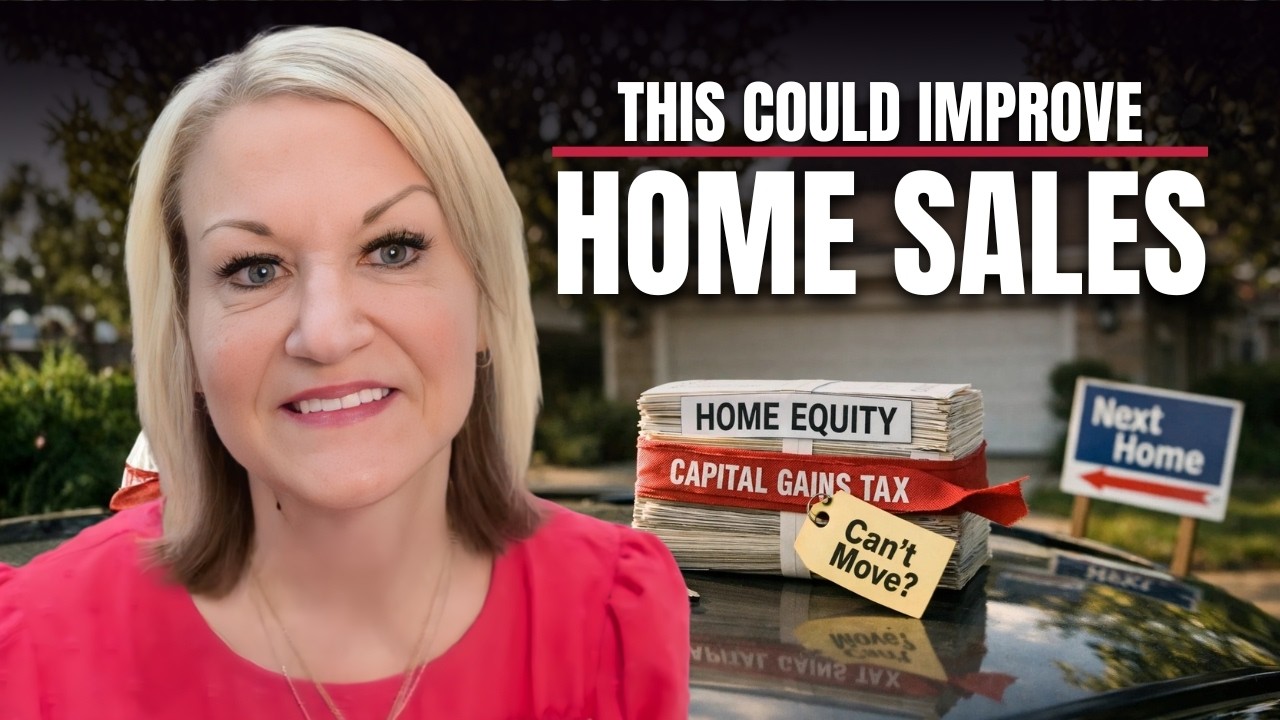
Should you consider a portable mortgage? Another option under discussion better reflects how people actually live and move: the portable mortgage. Instead of starting from scratch every time someone buys a new home, a portable mortgage would allow the current loan amount and interest rate to transfer to the next property.
If the new home costs more, a second loan covers the difference. If the price is similar, the mortgage simply moves with the buyer.
There are still details to work out, and it’s not yet clear how this would function in real-world transactions. But the idea itself addresses a real issue. It helps keep interest rates lower and supports mobility, which is a key part of a healthy housing market.
What does this mean for you? The most important takeaway isn’t one specific loan product. It’s that lenders, banks, and the industry are actively looking for better ways to improve affordability.
Housing markets depend on movement. Buyers need to buy, and sellers need to sell. Which is why when affordability stalls, everything slows down. While new solutions keep surfacing, not every idea will work. Remember that progress comes from honest conversations and thoughtful solutions.
Mortgage terms are not just numbers; they shape equity, flexibility, and long-term options. A lower payment alone does not equal affordability, especially if it delays ownership benefits.
Before choosing any loan, it’s important to understand how it performs over time, not just in the first month. Reviewing the long-term impact helps avoid surprises later.
Always work with professionals who can clearly explain the trade-offs and help you choose what aligns with your goals. If you have questions about mortgage options or how they affect your buying or selling plans, feel free to call or text me at 623-297-4536 or email me at rebeccadurfey@kw.com.
Want to work with us? Here are some ways to get involved.
-
Free Home Estimate - Get a free home value estimate and sign up for a free home report. Find Out What Your Greater Phoenix Metro Home is Worth
-
Search Now - Browse all homes for sale on a map with photos, schools, prices, and more. Search Greater Phoenix Metro Homes for Sale
-
Subscribe Now - Sign up for my Phoenix and Northwest Valley real estate video tips, insights, and market updates. Free Greater Phoenix Metro Real Estate Newsletter